Australia Granite Monument Import Regulations
Australia Granite Monument Import Regulations are important to ensure that all imported materials meet the country’s legal and environmental standards. These regulations aim to protect Australia’s natural environment, public health, and safety while promoting fair trade. Importing granite monuments requires adherence to specific procedures, which involve meeting strict guidelines and obtaining the necessary approvals.
Granite, a popular material used in monuments, is primarily imported from countries with significant granite reserves. However, before granite can be brought into Australia, importers must be aware of the quarantine and biosecurity regulations set by the Department of Agriculture, Water, and the Environment. The Australian government places a high priority on preventing the introduction of pests and diseases that could harm the local ecosystem. Therefore, all granite shipments are thoroughly inspected and treated to ensure they are free of any harmful substances or invasive species.
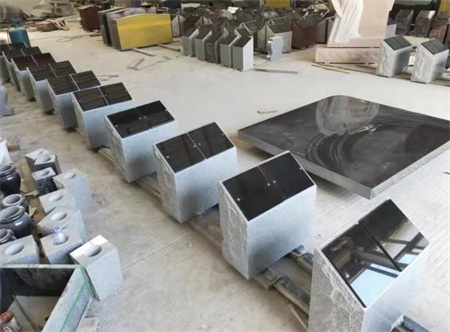
Another crucial aspect of importing granite monuments into Australia is ensuring the granite complies with environmental standards. It is essential that granite suppliers provide documentation that proves the materials have been sourced responsibly. This includes compliance with environmental regulations in the country of origin and confirmation that the mining process follows ethical guidelines. Importers should ensure that their suppliers offer granite that meets Australia’s sustainability standards.
Along with these biosecurity and environmental considerations, importers must also be aware of the financial and legal requirements when importing granite monuments. This includes payment of customs duties, taxes, and other fees, which depend on the value and volume of the granite. Importers are required to complete all necessary paperwork accurately and in a timely manner to avoid delays or additional charges.
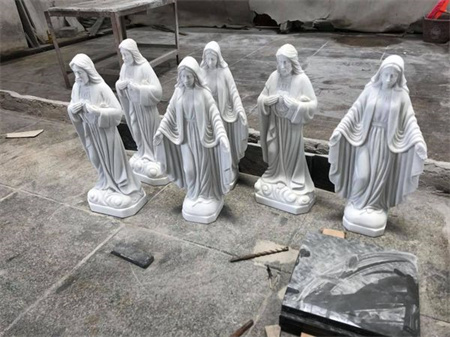
Additionally, certain types of granite monuments may require special permits, especially if they are considered historical or cultural artifacts. If the monument contains any materials that are regulated, such as rare or protected stones, the importer will need to apply for an import permit through the relevant Australian authorities. This ensures that all imported monuments are legally allowed into the country and do not violate any cultural preservation laws.
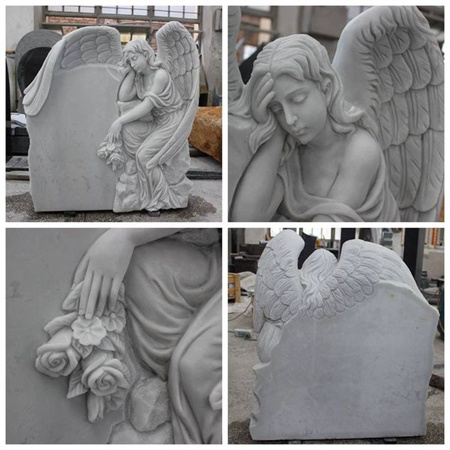
In conclusion, importing granite monuments into Australia involves following a series of regulations designed to safeguard both the environment and public safety. By complying with these regulations and ensuring that all necessary documentation and permits are in place, importers can successfully bring granite monuments into Australia while meeting all legal requirements.