How We Train Skilled Craftsmen for Stone Carving
Training skilled craftsmen for stone carving requires patience, dedication, and a deep respect for the art form. In order to become proficient in this craft, it’s essential to not only learn the technical skills but also to develop an intimate connection with the material. Stone carving is not just about shaping rock; it is about understanding its unique qualities and using the right tools to transform it into something meaningful.
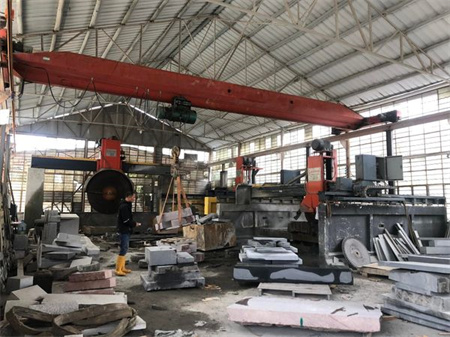
The training process begins with familiarizing the students with different types of stones. Each type of stone, whether marble, limestone, or granite, has its own characteristics, and understanding these properties is crucial for a successful carve. Beginners often start with softer stones, as they are easier to manipulate, allowing them to gain confidence before moving on to harder, more challenging materials.
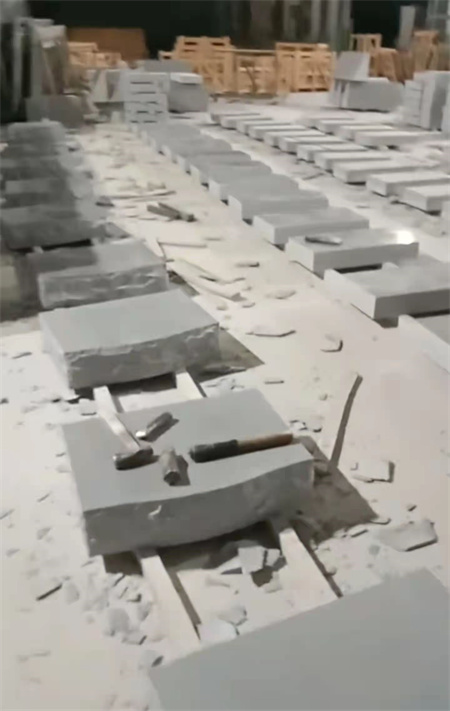
An important part of the learning journey is mastering the basic tools. Chisels, hammers, and rasps are the primary instruments of a stone carver, and learning how to handle them safely and effectively takes time. Trainees spend hours practicing basic strokes, learning how to control the force of their hands, and refining their technique. Only through repetition and practice can one begin to carve with precision and fluidity.
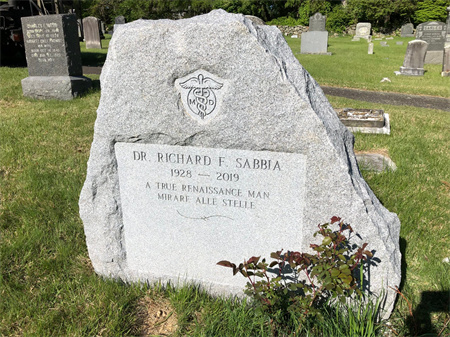
A mentor is often an essential part of the training process. Experienced stone carvers pass down their knowledge through demonstration and hands-on instruction. They guide trainees through the steps of creating a sculpture, helping them to envision the final product and offering advice on technique. The mentor-student relationship is key in honing the skills necessary for stone carving. Over time, students learn to make their own decisions about the direction and shape of their work, developing their individual style.
Beyond technical skills, a good stone carver must also be patient and persistent. The carving process can be slow, and progress may not always be immediately visible. Mistakes are part of the journey, and learning how to correct them is crucial. As students progress, they begin to understand the delicate balance between strength and precision required for high-quality stone work.
The most experienced stone carvers are those who never stop learning. As they continue to refine their skills, they push the boundaries of their craft, experimenting with new techniques and exploring different forms of expression. For those who dedicate themselves to the craft, stone carving becomes more than just a job—it becomes a lifelong passion.