




News
Cemetery Installation Considerations for Importers
For importers, wholesalers, distributors, and funeral supply companies sourcing monuments and tombstones overseas, understanding on-site placement requirements and manufacturing constraints is essential to successful deliveries and cemetery acceptance. Decisions made during stone selection and fabrication affect downstream items such as foundation design, anchoring systems, and local compliance. Advance coordination between the monument manufacturer, freight forwarder, and cemetery or monument company at the destination reduces installation delays and costly rework.
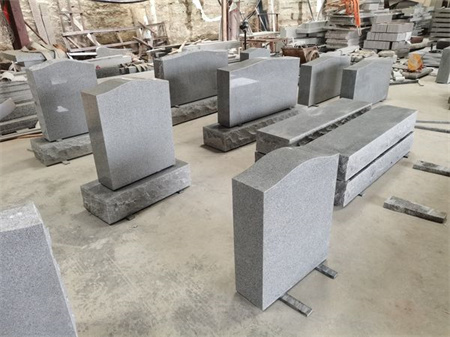
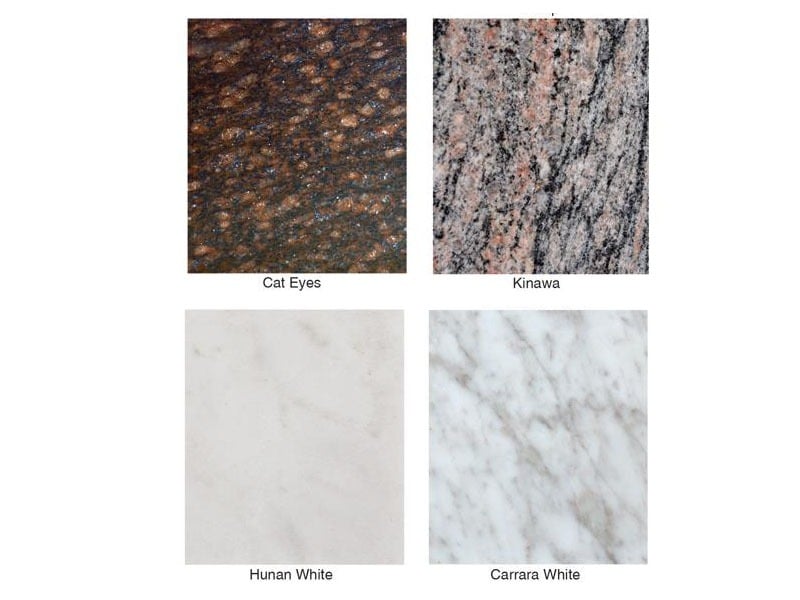
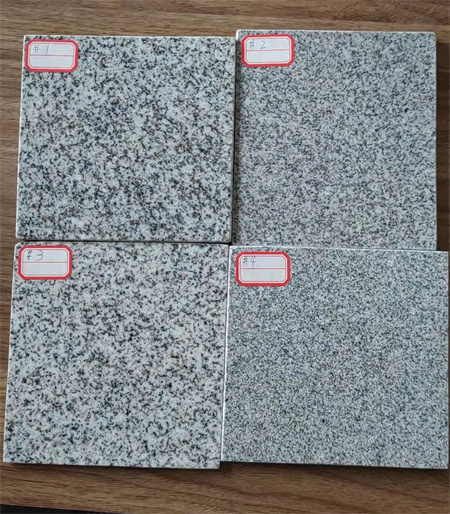
Material selection begins with the choice of granite grade, color consistency, and finish. Importers should specify granite density, porosity, and abrasion resistance appropriate for the climate and expected service life. Some granites perform better in freeze–thaw conditions and resist staining, while others require additional sealants. Manufacturers should be asked to provide data on physical properties and, where applicable, testing in accordance with recognized standards such as ASTM for natural stone. Corrosion-resistant anchor components, typically stainless steel dowels or anchors, and marine-grade epoxy for bedding and sealing will extend serviceability in coastal or high-salt environments.
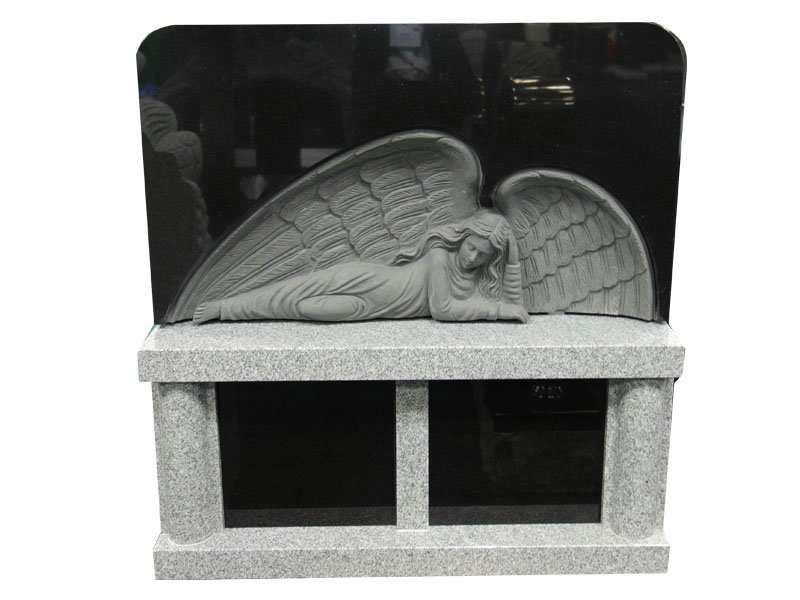
Customization options affect both fabrication lead time and installation complexity. CNC profiling, precision cutting, and laser etching enable intricate shapes, bas-relief carvings, and high-resolution inscriptions, but they require accurate templates and approved proofs. Photo etching and inlays, including ceramic photo plaques or colored inlays, should be mock-up approved prior to full production to ensure tonal accuracy and adhesion under outdoor conditions. Standard monument forms—upright headstones, slants, ledgers, and mausoleum fronts—each have unique weight distributions that influence foundation design and anchoring methods.

Robust quality control at the factory reduces on-site issues. Importers should require inspection checkpoints: dimensional verification against agreed tolerances, finish quality assessment, verification of inscription accuracy, and testing of bonding materials and anchors. Independent third-party inspections or ISO 9001–aligned quality assurance procedures provide traceability and confidence. Photographic records of completed units and load lists help identify damage during transit. Clear labeling of pieces and providing an installation drawing or template expedites placement and prevents misassembly at the cemetery.
International shipping considerations intersect with installation readiness. Proper crating, use of shock-absorbing materials, and secure palletization prevent chipping and breakage in sea or air freight. Export documentation should include accurate weights and dimensions for LCL or FCL bookings, and clear indication of fragile contents. Importers must agree on Incoterms—FOB, CIF, or DDP—early in negotiations to define responsibilities for customs clearance, duties, and inland transport. Anticipate lead times for customs processing and local transport to cemetery sites, where oversize loads or heavy lifting equipment may require additional permits and advance coordination to avoid demurrage charges.
Successful on-site placement requires alignment with cemetery regulations, foundation design, and local codes. Foundation depth and concrete footing design must account for local frost lines, soil bearing capacity, and drainage to prevent tilt or frost heave. Anchoring methods—pinned, dowelled, or bracket-mounted—should match both the monument’s footprint and cemetery rules. Coordination with the cemetery superintendent or local monument company for pre-installation site checks, locating underground utilities, and confirming orientation minimizes rework. Proper lifting equipment, spreader bars, and protective padding during installation reduce the risk of accidental damage.
In conclusion, importers and distributors who align manufacturing specifications, material choices, customization approvals, factory quality control, and international logistics with local cemetery requirements will reduce risk and deliver monuments that meet durability and regulatory expectations. Clear communication and documented procedures across the supply chain are essential to ensure timely, compliant placement at the gravesite.
 Chaole industrial district ,Chongwu town,Huian,Fujian,362131,China


If you want to know more about our products designs
and get the best quotation, please don't hesitate to send a subscription
email,thank you!
Copyright © Huian Boda Stone Co.,Ltd All rights reserved.

ipv6 network supported


