



News
Factory Visits vs Online Sourcing
Sourcing granite monuments and tombstones for international distribution requires a careful balance between cost, quality, and supply-chain transparency. Overseas monument importers, wholesalers, distributors, and funeral supply companies must weigh the advantages of direct, in-person inspection of manufacturing facilities against the efficiencies offered by online sourcing platforms and remote engagement with suppliers.
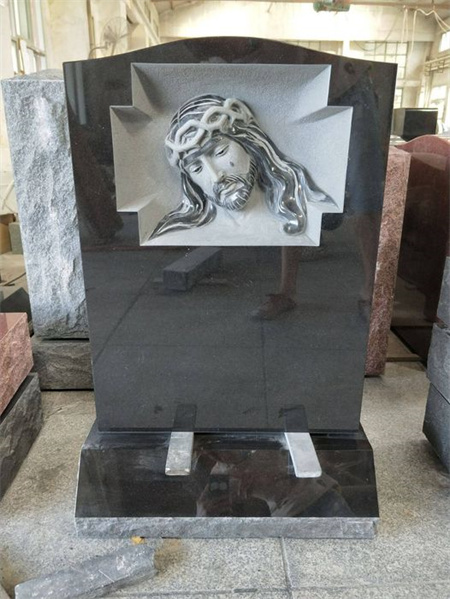
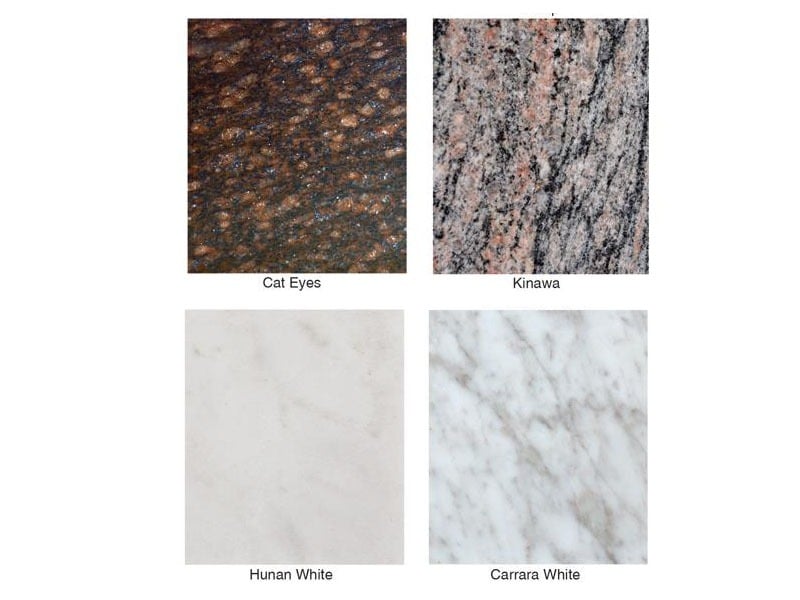
Understanding the manufacturing and raw materials is central to making informed procurement decisions. Granite used for cemetery memorials comes in a wide range of densities, colors, and porosity characteristics; common commercial varieties include absolute black, g654, and various granites from China, India, and Brazil. A factory visit allows buyers to observe raw material storage, slab selection, and initial cutting from block to slab. Inspecting the quarry chain and mill operations can reveal consistency in stone color, veining, and flaws that affect final headstone appearance and long-term durability.
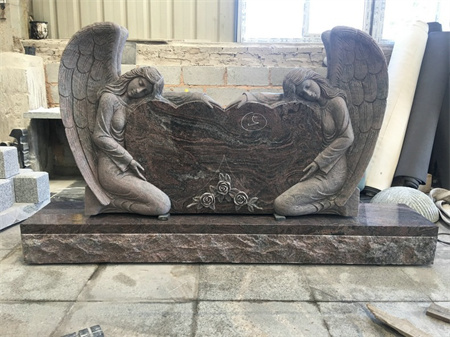
Customization drives much of the value in the monument industry. Modern production lines combine CNC cutting, sandblasting, laser etching, and hand-finishing to produce complex shapes and detailed inscriptions. On-site visits permit real-time review of CAD drawings, 3D renders, and sample pieces, and enable rapid iterations on font size, epitaph placement, and applied finishes such as honed, polished, or flamed surfaces. Remote ordering through online catalogs can be efficient for standard designs, but requires detailed specifications, high-resolution photos, and sometimes physical samples to ensure that engraved elements and jointing meet expectations.
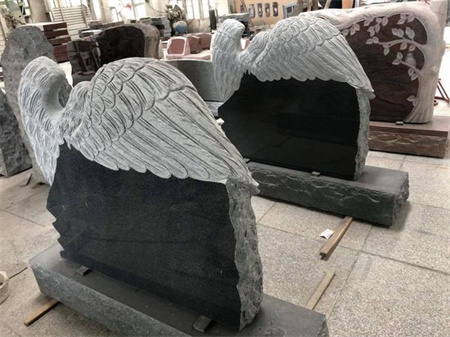
Quality control is a primary concern for importers dealing in heavy, high-value products. Factories with formal quality-management systems, ISO certification, or SGS inspection reports are preferable. During a visit, buyers can audit production tolerances, measure granite density, check water absorption rates, and observe the consistency of polishing and edge finishing. Online sourcing relies more heavily on documented QC procedures, third-party pre-shipment inspections, and video walkthroughs. To mitigate risk when not visiting, buyers should request factory audit reports, sample shipments, and independent inspection at the loading port.
International shipping of finished monuments introduces logistical complexity that affects pricing and delivery times. Packing standards—wooden crate construction, ISPM15 fumigation, internal foam supports, and palletization—are critical to preventing damage during container transport. Clear communication on INCOTERMS such as FOB or CIF, lead times for production and shipping, container stuffing procedures, and required export documentation (commercial invoice, packing list, bill of lading, certificate of origin) reduces delays at customs. Freight consolidation for smaller orders, LCL versus FCL choices, and understanding local duties and clearance processes are important operational considerations for distributors and wholesalers.
Both on-site factory evaluation and online sourcing have roles in a robust procurement strategy. Physical visits offer direct validation of manufacturing capability, material consistency, and hands-on customization, while remote sourcing can expand supplier options and streamline ordering for standardized tombstones and memorial components. Combining both approaches—periodic audits and continuous remote monitoring—can help importers and distributors maintain product quality and control logistics across international markets.
In conclusion, choosing the right sourcing approach depends on product complexity, acceptable risk levels, and logistics requirements. Prioritizing clear specifications, documented quality control, and reliable shipping practices helps ensure that granite headstones and cemetery memorials meet customer expectations and regulatory obligations.
 Chaole industrial district ,Chongwu town,Huian,Fujian,362131,China


If you want to know more about our products designs
and get the best quotation, please don't hesitate to send a subscription
email,thank you!
Copyright © Huian Boda Stone Co.,Ltd All rights reserved.

ipv6 network supported


