



News
How to Choose the Right Granite Thickness for Upright Markers
Selecting the appropriate granite thickness for upright markers is a critical decision for importers, wholesalers, distributors, and funeral supply companies because it directly affects durability, manufacturability, shipping costs, and compliance with cemetery specifications. Thickness choices must balance structural requirements with economic and logistical considerations in monument manufacturing and international trade.
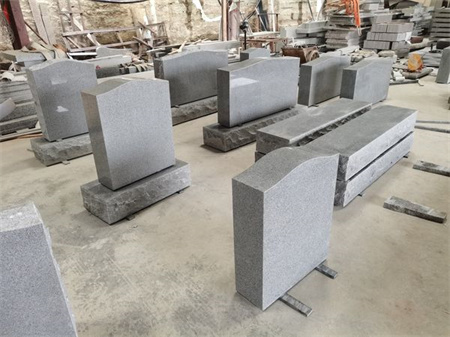
Typical production ranges for upright markers commonly include faces of 2″ (50 mm), 3″ (75 mm), and 4″ (100 mm), with bases and footings frequently produced thicker—6″ (150 mm) or more—depending on design. Thinner panels reduce material and shipping weight but provide less resistance to impact, freeze-thaw cycles, and settling. Thicker slabs offer greater longevity and allow for deeper sandblasted lettering, bas-relief carving, or sculptural elements, but increase cutting time, tooling wear, and freight charges.
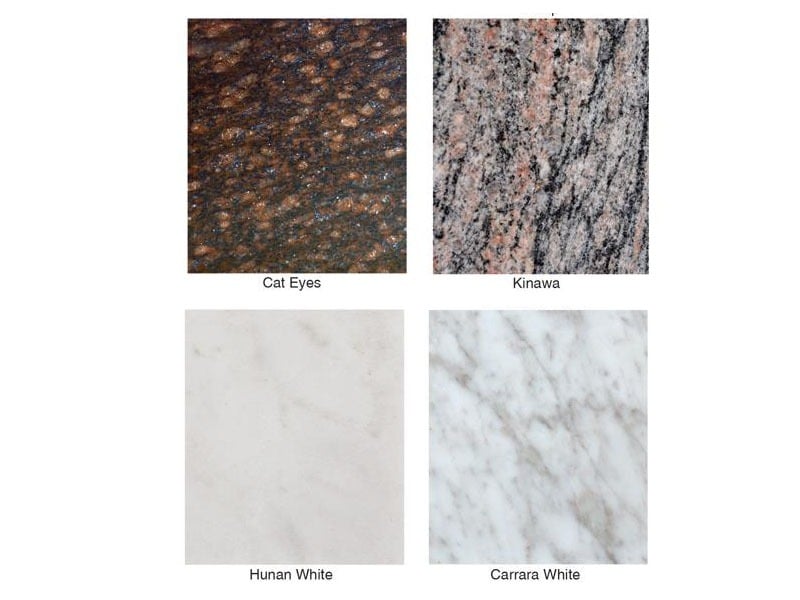
Material selection and granite grade are integral to determining suitable thickness. Dense, low-porosity granites such as absolute black or certain gneiss-based stones can perform well at slightly reduced thicknesses due to higher compressive strength and lower water absorption. Lighter-colored, more porous granites may require additional thickness to meet frost resistance and durability requirements in rigorous climates. Manufacturers should provide technical datasheets documenting density, water absorption, and compressive strength so buyers can assess whether a given thickness meets local environmental demands.
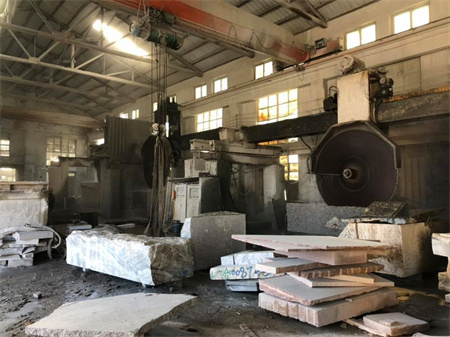
Production methods also influence the recommended thickness. Sawing and CNC cutting systems handle thicker slabs with more energy and tooling requirement. Precision tolerances are important for upright markers to ensure flatness and proper fit with bases and nosing. Quality control protocols should include dimensional inspections within specified tolerances, polish sheen verification, edge profile consistency, and non-destructive testing for internal fissures or hairline cracks. For engraved or sandblasted inscriptions, adequate thickness is necessary to achieve required lettering depth without compromising the stone’s stability.
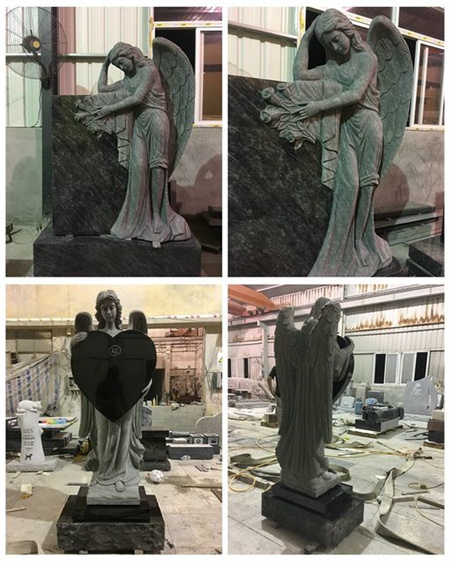
Customization options such as beveled edges, carved emblems, bronze inlays, and multi-piece designs will affect thickness decisions. For companion or double markers, manufacturers often recommend thicker back-to-back construction or reinforced anchoring details. Anchoring systems and bedding requirements should be specified so distributors and cemetery contractors can install markers in accordance with local regulations; some cemeteries mandate minimum base heights or recommend specific footing dimensions to prevent overturning.
International shipping and logistics are practical constraints that influence thickness selection. Heavier markers increase freight costs, container weight distribution concerns, and packing complexity. Proper crating, palletization, corrosion-resistant strapping, and shock-absorbent lining protect granite during ocean transport. Buyers should request photos of packing methods, standard crate dimensions, and weight per crate to plan inland transport and customs clearance. Choosing full-container loads (FCL) versus less-than-container loads (LCL) affects per-unit cost and breakage risk; many importers minimize damage by consolidating consistent product sizes and thicknesses.
To minimize manufacturing and supply-chain risk, request factory samples or material swatches, detailed shop drawings showing thicknesses at all sections, and pre-shipment inspection reports. Specify acceptance criteria for surface finish, edge profile, and inscription depth. Clear communication on lead times, production capacity, and any seasonal constraints will help align expectations for inventory planning.
Careful evaluation of material properties, manufacturing processes, customization requirements, quality control standards, and international shipping considerations enables informed selection of granite thickness for upright markers. This approach reduces downstream issues related to installation, weathering, and logistics while ensuring products meet buyer and cemetery specifications.
 Chaole industrial district ,Chongwu town,Huian,Fujian,362131,China


If you want to know more about our products designs
and get the best quotation, please don't hesitate to send a subscription
email,thank you!
Copyright © Huian Boda Stone Co.,Ltd All rights reserved.

ipv6 network supported


