





News
How to Handle Damaged Goods The Claims Process for Importers
Receiving an international shipment of granite monuments or tombstones and finding chips, fractures, or surface abrasion is a costly disruption for wholesalers, distributors, and funeral supply companies. A clear, documented claims process protects your business and helps ensure timely resolution with manufacturers, carriers, and insurers. The approach combines immediate on-site inspection, rapid documentation, and familiarity with contractual terms such as INCOTERMS and insurance clauses.
On arrival, conduct an immediate visual inspection before signing delivery receipts. Because granite is heavy and brittle, even small impacts during container stuffing or transit can produce concealed cracks that worsen during handling. Note visible damage directly on the carrier’s delivery paperwork and take high-resolution photographs from multiple angles showing the stone, serial or product numbers, pallet/container identification, and any damaged packing materials. Segregate damaged units from undamaged inventory to prevent mix-ups and preserve evidence for surveyors.
Understanding who bears responsibility depends on your agreed delivery terms. Under FOB terms the buyer usually handles insurance and freight from the port of loading, making the importer responsible for filing claims against their insurer or freight forwarder. Under CIF, the seller typically arranges carriage and insurance to the destination port, but the importer should still document damage and notify all parties. Retain original invoices, packing lists, the bill of lading, purchase orders, and any pre-shipment inspection certificates. These documents are essential when filing with the carrier, the cargo insurer, or the factory.

File claims promptly according to carrier and insurer timeframes. Visible damage should be protested at delivery and noted on the bill of lading; concealed damage discovered after opening crates typically has a short reporting window—often between 3 and 7 days depending on the carrier. Submit a formal damage report with photographs, weights, quantities, and cost estimates for repair or replacement. If the damage is extensive, arrange for a cargo surveyor to inspect the goods and packing; a survey report often strengthens a claim and establishes liability for the carrier or packer.
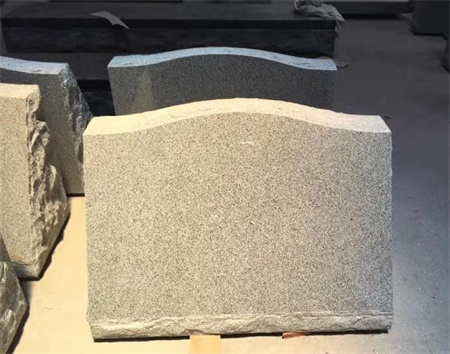
Quality control and packing standards at the manufacturing stage reduce claim frequency. Insist on robust crating practices suitable for heavy stone: reinforced wooden crates, internal bracing, padded corner protectors, dunnage, and moisture barriers to protect polished surfaces and sandblasted lettering during sea transit. For customized memorials and engraved name plates, require clear QC checklists and photographic records of finish, engraving depth, and color matching before shipment. Third-party pre-shipment inspections and factory acceptance tests can be contractually mandated to catch problems before container stuffing.
When negotiating remedies, suppliers and insurers may offer repair, credit, replacement, or salvage. Repairs by local stone restoration specialists can be economical for minor chips and polishing defects, while full replacement may be necessary for structural fractures. Maintain clear communication with the manufacturer regarding customization variances, as bespoke pieces may have longer lead times for replacement. Keep the carrier, freight forwarder, and insurer informed and provide requested documentation quickly to avoid delays.
Finally, build contractual protections into future purchases: specify packing standards, pre-shipment inspection requirements, acceptable tolerance for customization, insurance minimums, and an agreed dispute resolution path. Clear terms, combined with swift, well-documented action at the dock, will minimize financial exposure and expedite recovery when damage occurs to imported monuments and tombstones.
In conclusion, efficient handling of damaged granite products requires prompt inspection, thorough documentation, awareness of contractual responsibilities, and strong quality control and packing requirements at the factory to reduce claims and resolve them effectively when they arise.
 Chaole industrial district ,Chongwu town,Huian,Fujian,362131,China


If you want to know more about our products designs
and get the best quotation, please don't hesitate to send a subscription
email,thank you!
Copyright © Huian Boda Stone Co.,Ltd All rights reserved.

ipv6 network supported


