


News
Sample Approval Process for Headstones
For overseas monument importers, wholesalers, distributors, and funeral supply companies, an effective sample approval workflow reduces risk, clarifies specifications, and expedites international shipments of granite monuments and tombstones. The process begins with material selection. Buyers should request identification of stone types (for example absolute black, G654, G603, or imported marbles), along with technical data such as density, water absorption, and abrasive resistance. These physical properties influence long-term durability, polish retention, and suitability for laser etching, sandblasting, or bronze attachment, and are essential for importers who must meet local cemetery standards.
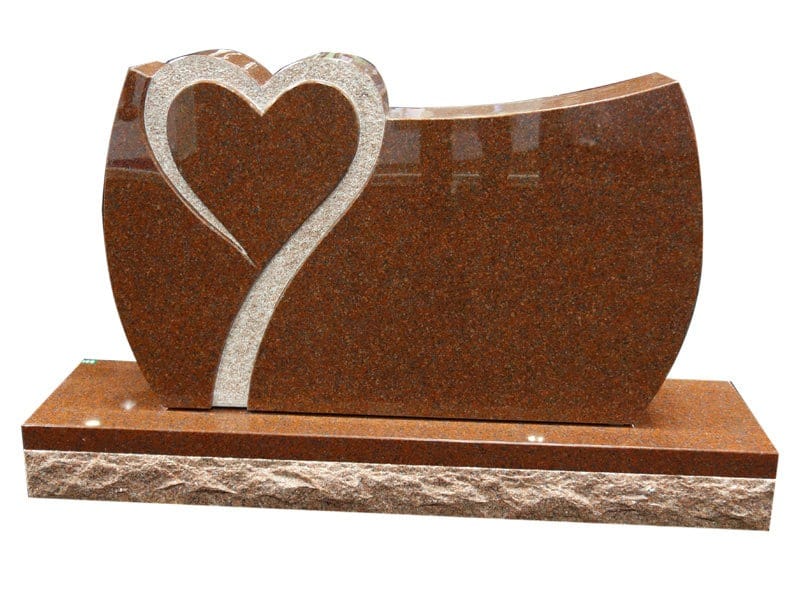
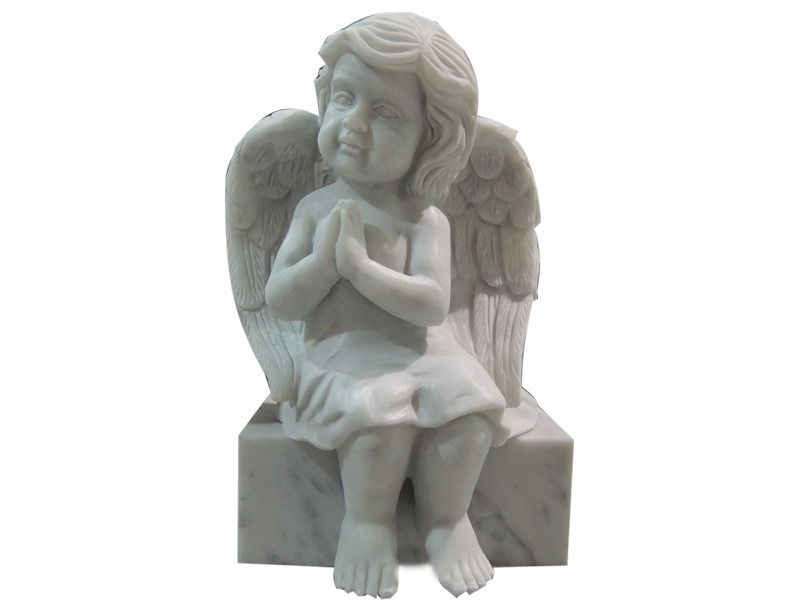
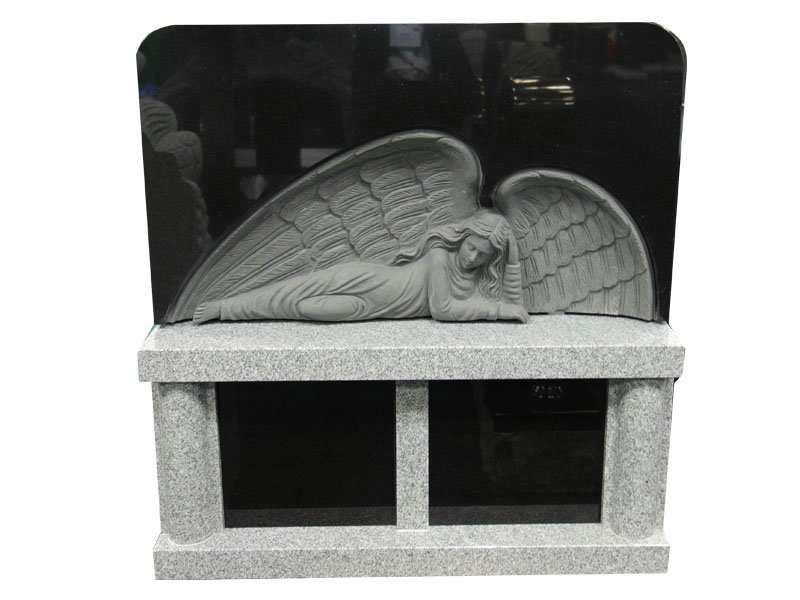
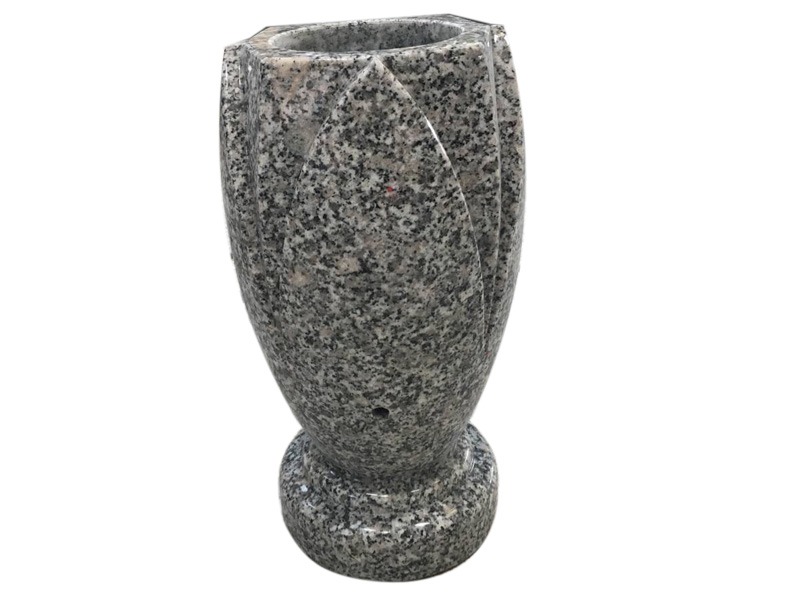
After materials are agreed, manufacturers produce detailed CAD drawings and engraving proofs showing dimensions, profile, font, and artwork placement. These digital proofs are the first checkpoint; they allow distributors to confirm layout and typographic details before committing to a physical prototype. For complex memorials or custom monuments, manufacturers can provide a half-scale or full-scale physical sample, or high-resolution photographs of an identical piece previously completed. Photographic samples should include close-ups of surface finish, edge detailing, lettering depth, and any metal fixings or inlays.
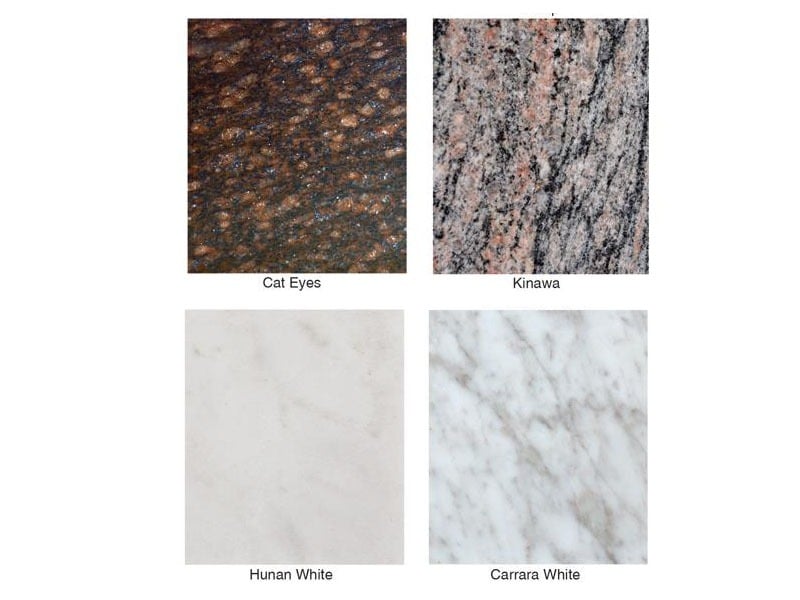
Physical samples are particularly important when color, grain, or finish variability matters. Granite exhibits natural variation; therefore, buyers commonly approve a slab or cut sample to verify color match and polish quality. Finishing options—polished, honed, flamed, or brushed—affect appearance and maintenance, and should be demonstrated on the sample. For inscriptions, confirm sandblasting depth, stencil precision, and any paint or gilding used in lettering. When bronze elements are involved, request details about casting, patina, mounting bolts, and protective coatings to ensure compatibility with stone drillings and adhesives.
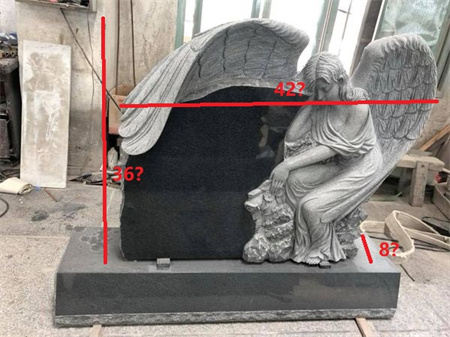
Quality control is embedded throughout production. Manufacturers typically maintain standard tolerances for dimensions, flatness, and verticality, and perform in-process inspections using gauges and templates. A pre-shipment inspection by an internal QC team or an independent third party provides verification of compliance with approved drawings and sample characteristics. Inspection reports should document measurements, photographs, and any corrective actions taken. Certificates such as certificate of origin, material test reports, or export quality declarations are often included with container shipments for customs clearance and record keeping.
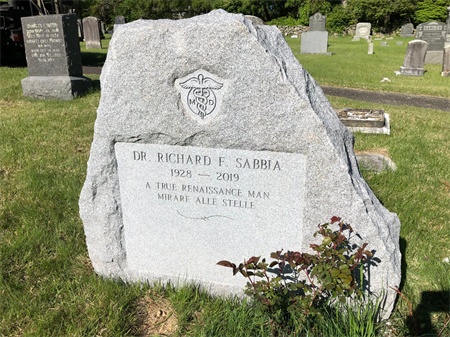
Packaging and international shipping require attention to prevent damage in transit. Freight packaging for granite monuments commonly uses wooden crates that comply with ISPM 15 fumigation standards, reinforced pallets, edge protection, foam or rubber cushioning, and corrosion-inhibitor wraps for metal parts. Crate dimensions and weight must be planned to maximize container utilization—whether 20-foot or 40-foot FCL—or to manage LCL consolidation. Stowage factors, handling instructions, and proper shipping marks should be agreed in advance. Documentation for international movement typically includes commercial invoice, packing list, bill of lading, and any required import permits or customs declarations.
Clear communication and formal sign-off steps are essential: approved CAD/PDF files, signed photographs, and a written confirmation of acceptance prior to mass production minimize disputes. Agreeing on lead times for prototype, production, and shipping, as well as responsibility for sample costs, establishes expectations for both parties. In conclusion, a structured sample approval and quality assurance protocol tailored to the monument industry protects both buyers and manufacturers, ensures material and finish consistency, and supports reliable international delivery of finished granite memorials.
 Chaole industrial district ,Chongwu town,Huian,Fujian,362131,China


If you want to know more about our products designs
and get the best quotation, please don't hesitate to send a subscription
email,thank you!
Copyright © Huian Boda Stone Co.,Ltd All rights reserved.

ipv6 network supported


