



News
Hand-Carved Religious Monuments
Overseas buyers sourcing faith-based memorials increasingly prioritize artisanal stonework combined with industrial production controls. For importers, wholesalers, distributors, and funeral supply companies, understanding how handcrafted religious memorials are manufactured and delivered is essential to managing quality, cost, and compliance across international markets.
Material selection begins at the quarry. Granite remains the predominant material for cemetery monuments and headstones due to its density, low porosity, and weather resistance. Suppliers typically offer a range of granites—black, gray, red, and green varieties—each with distinct mineral composition and performance characteristics. Marble and basalt are used for certain sculptural elements, but they require different finishing techniques and expectations around long-term maintenance. Responsible buyers should request documentation on stone origin, block testing for tensile strength and absorption, and consistency certificates to minimize color and grain variations across production batches.
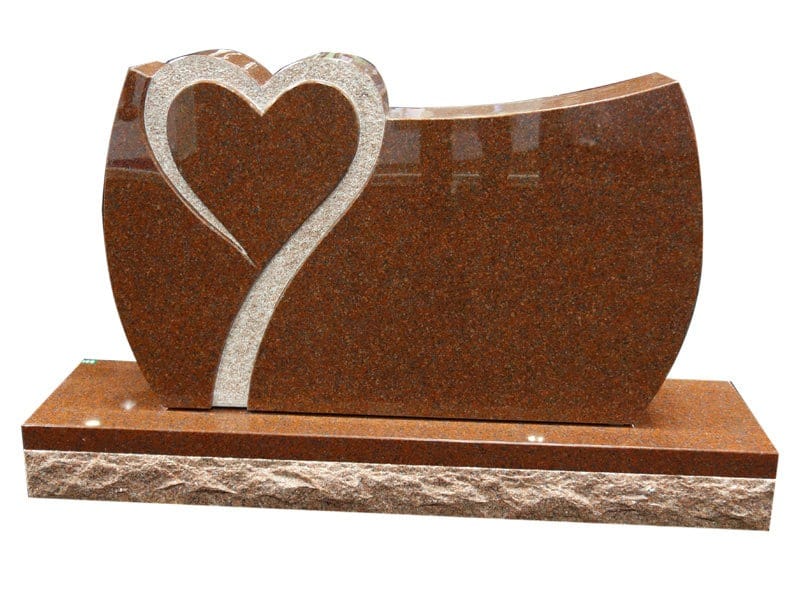
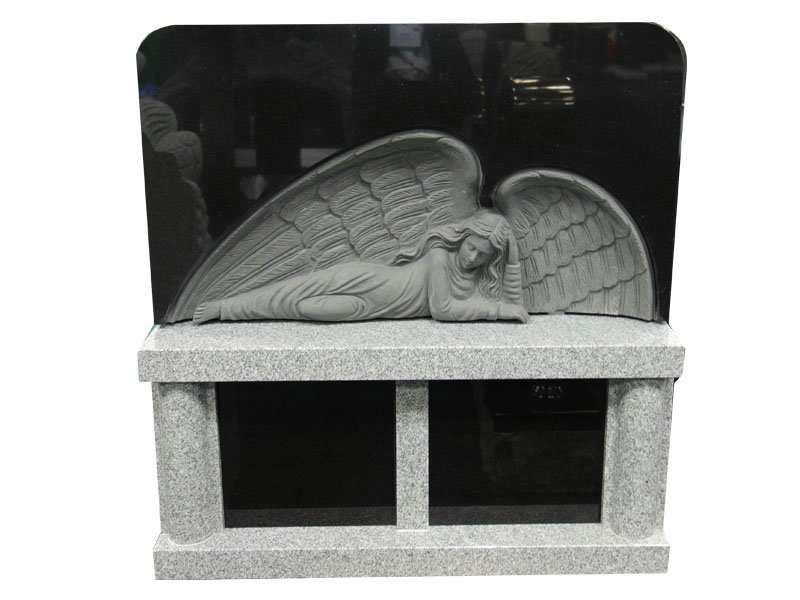
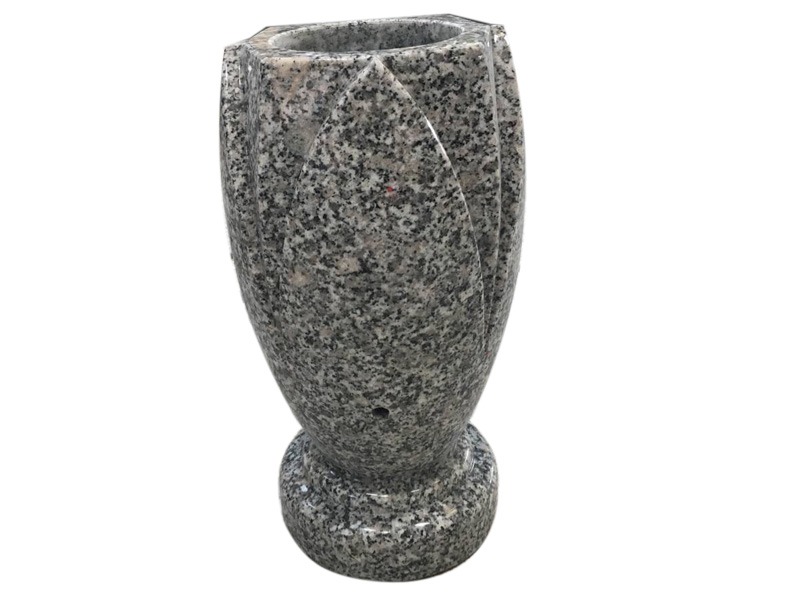
Design and customization form the core of value for religious monuments. Typical projects include carved crosses, angels, relief sculptures, and iconography specific to denominations. Production workflows combine digital design tools—CAD and CNC routing for initial shaping—with traditional hand-sculpting and finishing by experienced stone carvers. This hybrid approach allows for precise dimensional control on base forms while retaining the nuanced detail of hand-sculpted reliefs and lettering. Custom options commonly requested by distributors include multilingual inscriptions, bronze or stainless-steel inlays, etching, and bespoke bases or vases tailored to cemetery specifications.
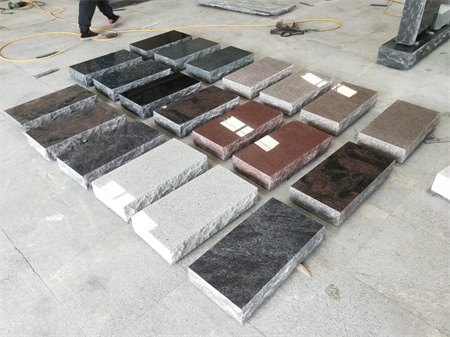
Quality control is implemented at multiple stages. Incoming raw block inspection verifies color, fissures, and structural integrity. In-process checks ensure adherence to approved drawings, tolerances for dimensions, and depth of engraving. Final inspections cover surface finish—polished, honed, flamed—or sandblasted lettering, edge profiles, and stability of any metal attachments. Pre-shipment inspection (PSI) can be arranged through third-party inspection services to verify that finished memorials meet the buyer’s contract standards. Documentation typically includes digital photos, dimensional reports, and a packing list for customs clearance.
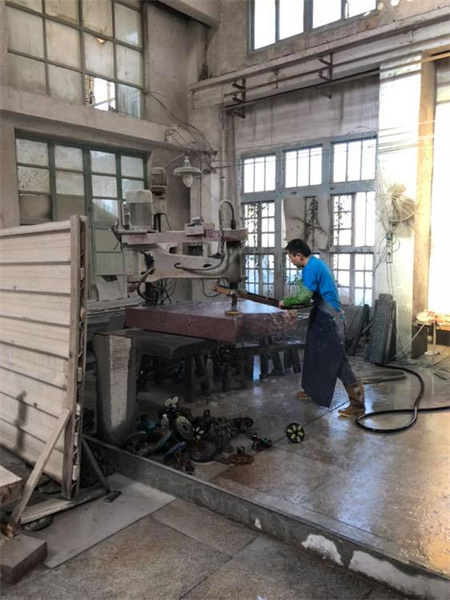
Finishing techniques and longevity considerations matter to end-users and cemetery managers. Polished faces offer high contrast for inscriptions but may show surface wear differently than honed finishes. Sandblasted lettering and hand-punched inscriptions maintain legibility over decades if executed to adequate depth. Sealants and consolidants are available for certain stone types; their use should be discussed with conservators when orders are intended for historic-sensitive sites or climates with freeze-thaw cycles.
International shipping of heavy stonework requires careful logistics planning. Exporters commonly use reinforced wooden crating with internal dunnage, edge protection, and moisture barriers; crates should conform to ISPM 15 standards for fumigation to avoid port delays. Depending on order volume, options include LCL (less than container load) consolidation for smaller batches or FCL (full container load) for bulk shipments. Transit insurance, HS codes for monuments, and accurate weight declarations are essential for customs clearance. Typical lead times vary by complexity—simple headstones may ship within 30–45 days, while fully sculpted memorials often require 60–120 days from design approval to delivery.

Knowledgeable buyers will specify design approvals, QC milestones, and shipping terms (FOB, CIF) in contracts to avoid misunderstandings. Establishing a relationship with factories that combine skilled artisans, documented material sourcing, and robust export practices reduces risk and supports predictable supply of cemetery monuments and tombstones for international markets.
In conclusion, procuring artisan stone memorials requires attention to quarry sourcing, combined manufacturing methods, staged quality control, and secure international logistics to meet the expectations of funeral professionals and cemetery authorities.
 Chaole industrial district ,Chongwu town,Huian,Fujian,362131,China


If you want to know more about our products designs
and get the best quotation, please don't hesitate to send a subscription
email,thank you!
Copyright © Huian Boda Stone Co.,Ltd All rights reserved.

ipv6 network supported


